


Popular
FULL SET Game Sense Unit Plan Pack for 5&6 AC9.0
Comprehensive unit plans for Years 5&6 aligned with AC9.0, focusing on Game Sense approach to develop tactical understanding and skill execution across various game categories.

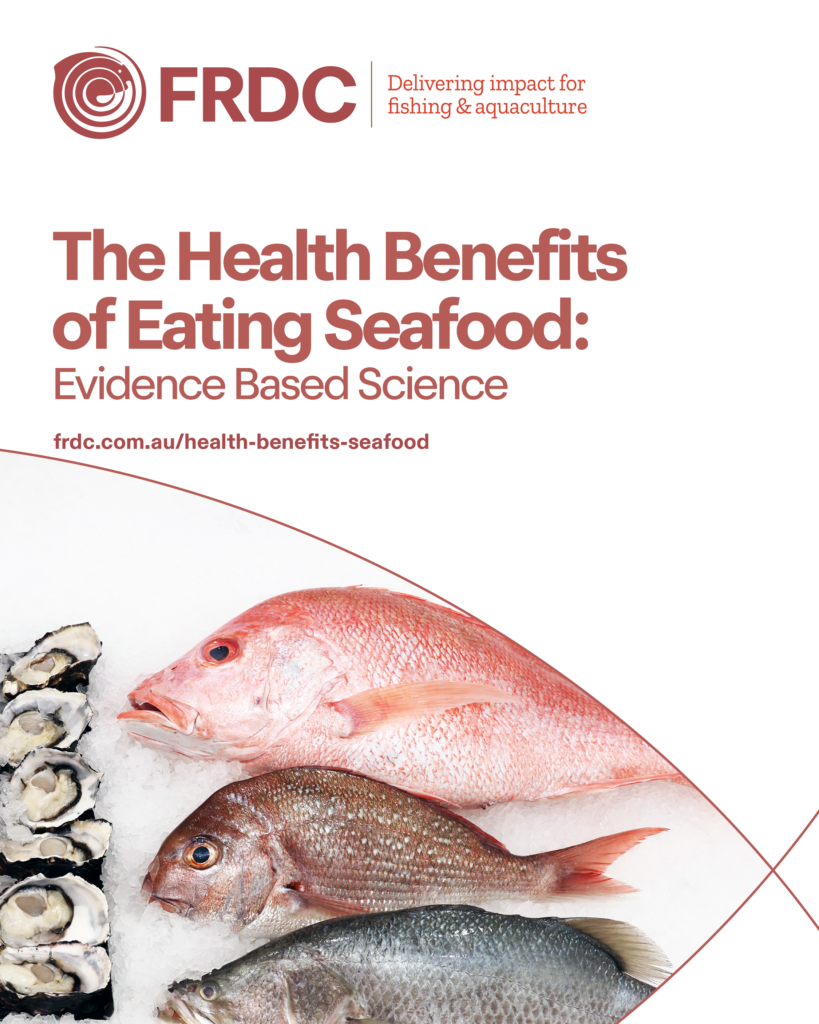
Boost student engagement with evidence-based nutrition—integrate our short seafood videos and summary sheets on the Health Benefits of Eating Seafood straight into your next health lesson plan!
Health Benefits of Eating Seafood – Nutrition Toolkit
The International Coalition of Fisheries Associations (ICFA), of which Australia (Fisheries Research and Development Corporation) is a member, has recently commissioned two independent expert scientists to conduct a comprehensive review of the peer‑reviewed literature examining the human health benefits of seafood consumption. The findings have been compiled into a report, which has also been published as a scientific paper in the European Journal of Nutrition and Food Safety. A summary document is also available. Key findings from this work include:
· Evidence supports at least two serves of seafood per week (100 to 150 gm serve)
· At least one portion should be rich in omega-3 fatty acids
· A variety of seafood should be consumed for optimal health benefits
· Eating seafood provides significant health benefits across the lifespan
· A variety of seafood optimises health benefits
· Significant benefits – heart health, cardiovascular system, mental health, maternal & child health, healthy ageing, reduces risk of all cancers, cognitive benefits (dementia, behavioural issues)
Seafood has long had a reputation for being a healthy food. Many studies into the health benefits of seafood exist, but it can be hard for the general public to access. This review provides the evidence-based science for an online Nutrition Toolkit which showcases the health benefits of eating seafood.
We invite you to explore the seafood Nutrition Toolkit – the new journal paper, short videos and summary sheets.
https://www.frdc.com.au/health-benefits-seafood.
This is a free educational resource to enhance student learning.
There are no reviews yet.
Comprehensive unit plans for Years 5&6 aligned with AC9.0, focusing on Game Sense approach to develop tactical understanding and skill execution across various game categories.

The Ultimate PE Program 7-10 is a comprehensive resource that aligns with the Victorian Curriculum 2.0 and provides engaging, developmentally appropriate learning experiences for all students.

FREE SAMPLE: The Ultimate PE Program F-6 is a comprehensive resource that aligns with the Australian Curriculum V9 and provides engaging, developmentally appropriate learning experiences for all students.
FREE SAMPLE: The Ultimate PE Program F-6 is a comprehensive resource that aligns with the Victorian Curriculum 2.0 and provides engaging, developmentally appropriate learning experiences for all students.

This all-in-one resource gives you everything you need to deliver engaging, inclusive, and curriculum-aligned PE from Foundation to Year 6 – no guesswork, no prep, just impact.